From 5–0 to 5–4
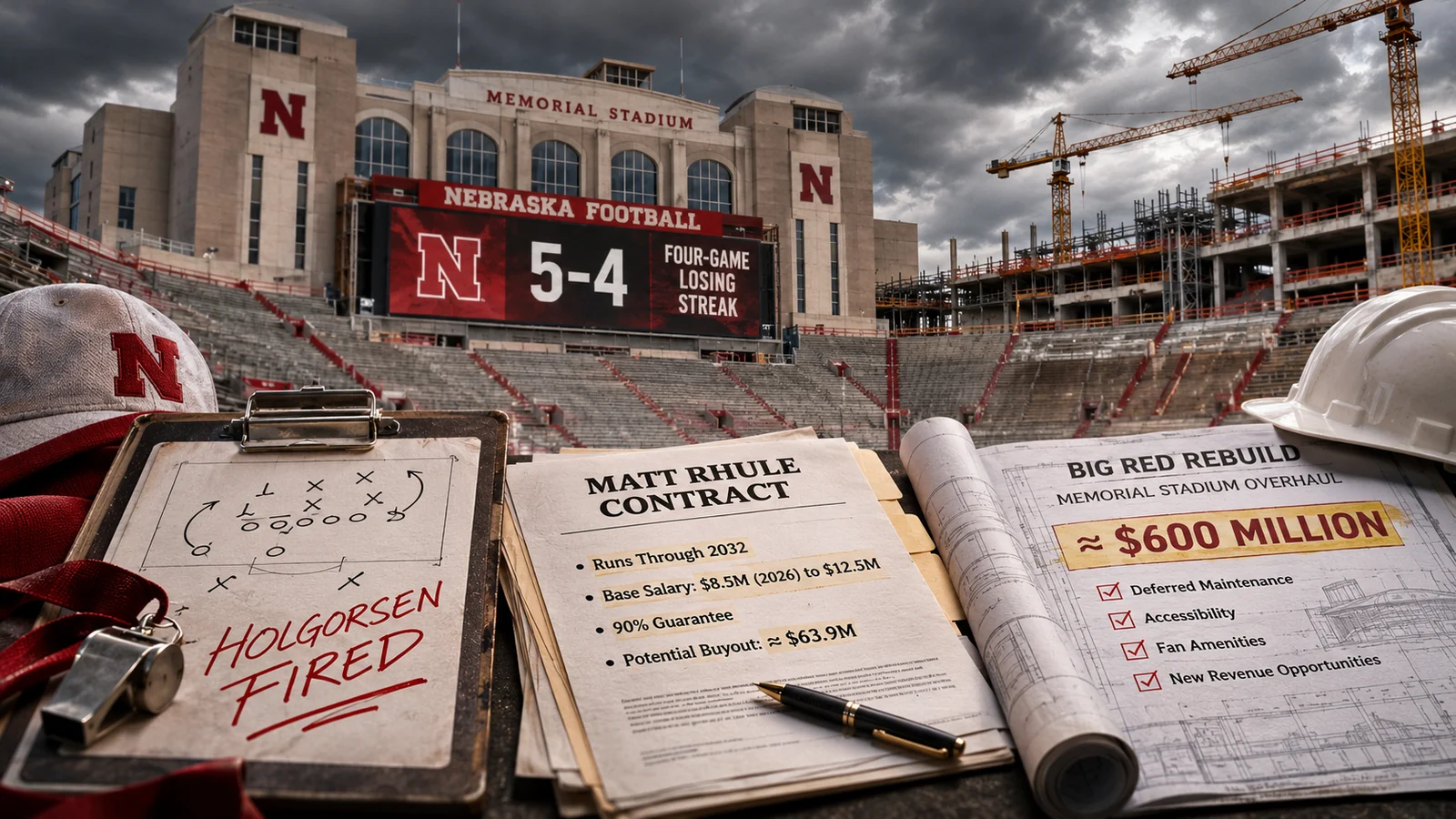
Nebraska opened the 2026 season with five consecutive victories, an undefeated record and an offense averaging an impressive 43.6 points per game. For a fan base that has endured nearly a decade of broken promises, coaching changes and disappointing finishes, there was finally a legitimate reason to believe the program was turning a corner. Then came four consecutive losses to Indiana, Oregon, Washington and Illinois, culminating in a 24–13 defeat on November 6 that left the Huskers at 5–4. The offense that had appeared so explosive during the first five games managed just 13.5 points per game during the losing streak , prompting Matt Rhule to dismiss offensive coordinator Dana Holgorsen the following day and hand play-calling responsibilities to Glenn Thomas.
The most frustrating part wasn't simply losing four games. Nebraska held a double-digit fourth-quarter lead against Indiana, lost to Oregon by three points and watched another competitive game slip away against Washington before the Illinois defeat made the offensive problems impossible to ignore. Husker fans have seen this movie enough times to recognize the ending long before the final whistle. Generations of Nebraskans have built family traditions around Saturdays in Lincoln, arranging vacations, spending thousands on tickets and traveling across the country to support a program that increasingly rewards their loyalty with another explanation of what went wrong. The disappointment isn't that Nebraska lost four football games. It's that five victories convinced us, once again, that things were finally going to be different. A coordinator can be replaced overnight, but another season of credibility slipping away is considerably harder to recover.
The coordinator is not the only number
Matt Rhule's October 2025 contract extension runs through the 2032 season, with published base salaries increasing from $8.5 million in 2026 to $12.5 million annually by 2030. The agreement carries a guarantee reported at 90% of remaining base compensation if Nebraska terminates his employment without cause. One published calculation places the potential obligation at approximately $63.9 million at the end of 2026 , before applicable offsets and other contractual considerations, although other analyses have produced lower estimates. The contract also includes potential $1 million retention bonuses at three separate milestones and provisions that increase future annual compensation following College Football Playoff appearances. Nebraska's financial exposure is therefore considerably more complicated than the commonly repeated buyout headlines, particularly since the amount Rhule would owe Nebraska for leaving voluntarily is governed by an entirely different provision. That resignation penalty was $15 million earlier in 2026 and decreased to $10 million for the latter portion of the year.
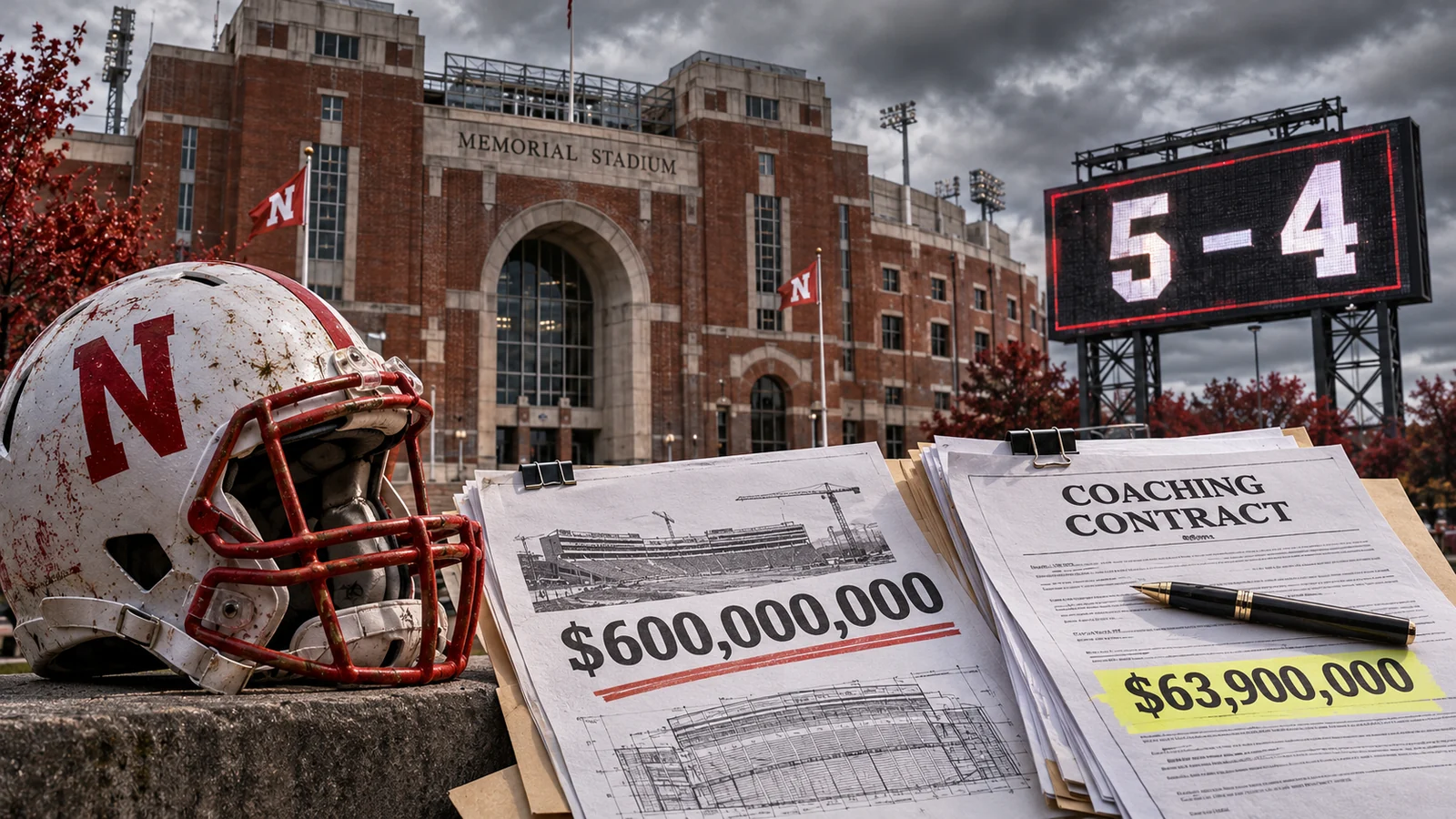
For a state where political leaders routinely preach fiscal responsibility, balanced budgets and accountability for spending, the financial structure of major college athletics deserves the same scrutiny we demand everywhere else. How exactly did we reach a point where an employee can be guaranteed tens of millions of dollars for failing to produce the results he was hired to deliver? I understand the business of college football, the market for accomplished coaches and the need to protect a program from constant turnover. What I struggle to understand is why so much contractual protection flows toward the people earning millions while the institution assumes such enormous financial risk. Athletic Director Troy Dannen and university leadership were willing to make that commitment, and they should be equally willing to explain its financial justification when the results no longer support the optimism behind it. Nebraska families are expected to live within their means, employers routinely tie compensation to performance and taxpayers are constantly reminded that difficult budget decisions require sacrifice. The people negotiating multimillion-dollar coaching agreements should not somehow exist beyond those expectations simply because the business happens to involve a football.
Six hundred million dollars and one scoreboard
In April 2026, the University of Nebraska approved the approximately $600 million Big Red Rebuild , expanding the scope of an earlier stadium renovation proposal. The project includes long-overdue maintenance, improved accessibility, fan amenities, seating changes and infrastructure intended to generate additional revenue throughout the year. University officials have outlined a financing strategy involving at least $250 million in philanthropic support and approximately $350 million in private bond financing, specifically stating that taxpayer and tuition-generated dollars will not fund the project. Those distinctions matter, and legitimate infrastructure needs should not be dismissed simply because the football team has struggled. Memorial Stadium is more than a collection of concrete and seats, and preserving a century-old landmark is a defensible investment in the university's future.
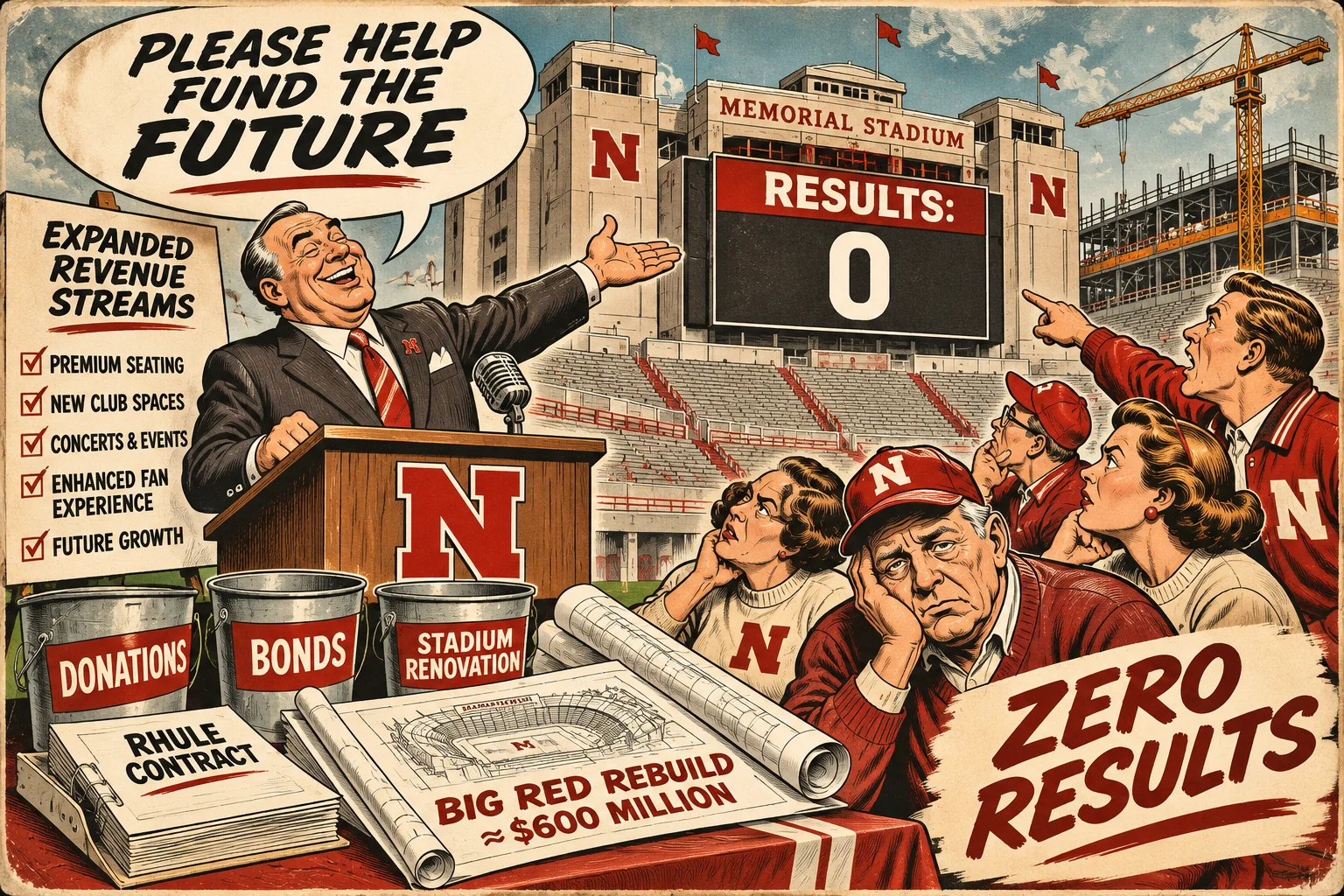
The questions begin when we examine the assumptions supporting that investment. Nebraska projects that the renovated stadium could generate approximately $95 million in annual revenue, representing an increase of more than 40%, while offering expanded opportunities for concerts and other events. Those are projections, not guaranteed outcomes, and responsible management requires testing them against debt obligations, construction risks and the possibility that football performance continues falling short of expectations. The university has also announced lower all-in pricing for approximately 85% of comparable public season-ticket locations in 2027, an encouraging move for fans who have already committed substantial financial resources to this program. Yet even a privately financed renovation deserves transparency about what happens if fundraising, ticket demand or expected revenue falls short. A state that prides itself on fiscal discipline should be capable of distinguishing an ambitious investment from an unquestionable one. Nebraska cannot preach financial conservatism in public policy while treating every major athletic expenditure as sacred simply because the project comes wrapped in scarlet and cream.
What did the skid actually cost?
The immediate and demonstrable cost of Nebraska's four-game losing streak is competitive. A promising 5–0 start became a 5–4 record, bowl eligibility remained unsecured and an offense that initially appeared capable of competing at a high level forced a significant coaching change before the season even ended. The financial consequences are harder to calculate because actual losses involving ticket demand, donor contributions, sponsorships, merchandise sales and future revenue cannot responsibly be assigned a dollar figure without supporting university records. There is an important difference between identifying a financial risk and pretending the money has already disappeared. Nevertheless, the absence of a precise number doesn't mean the consequences are imaginary, particularly when a program's operating assumptions depend on maintaining the confidence of its supporters.
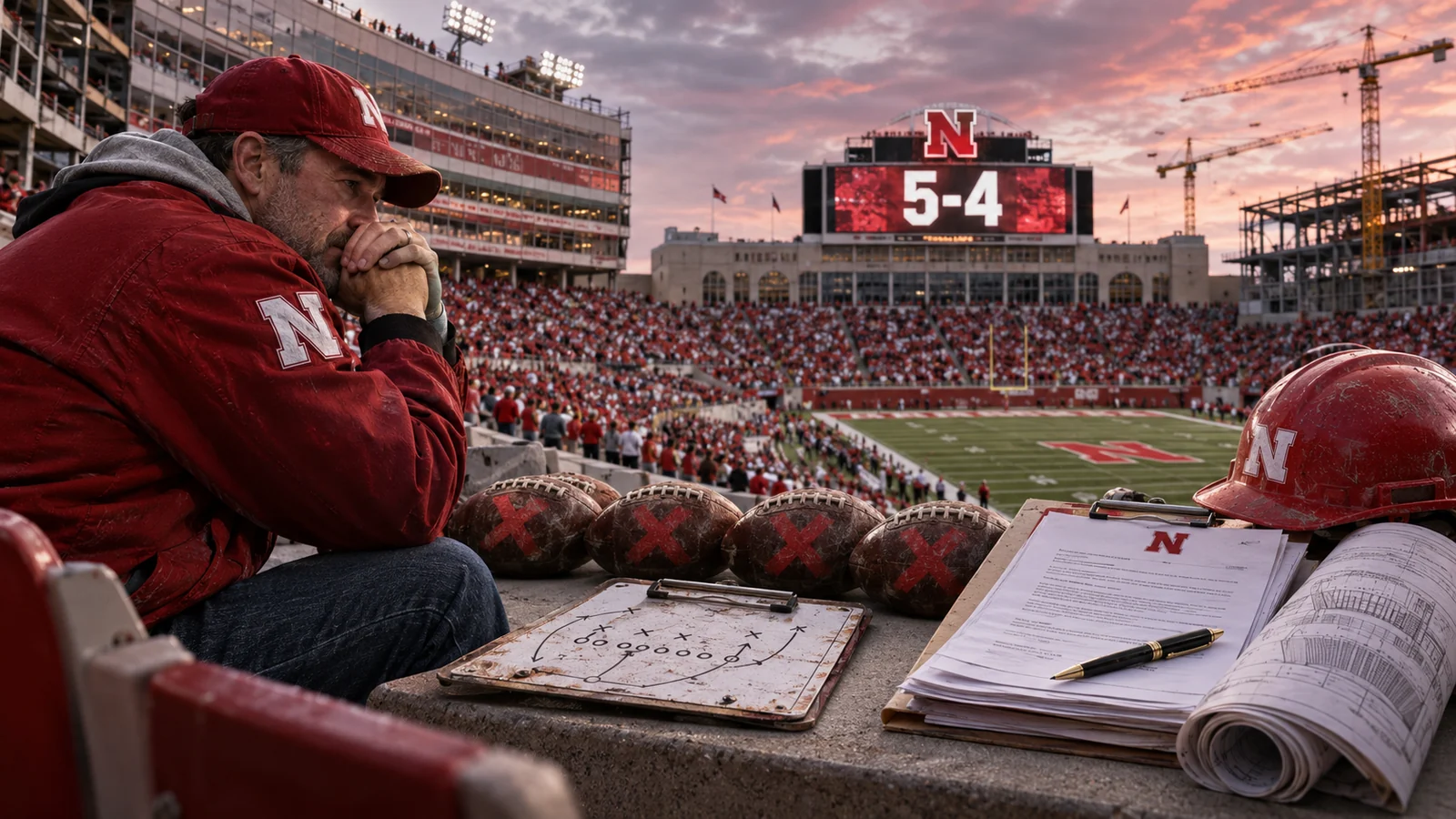
The people absorbing the most immediate disappointment aren't necessarily the people negotiating the largest contracts. They're the players who invested another year of their limited college careers, the seniors who will never get another opportunity to wear that uniform and the families who sacrificed weekends, money and time for a season that once appeared so promising. They're also the fans who have spent years defending coaches, believing recruiting promises, celebrating offseason optimism and convincing themselves that this might finally be the year Nebraska becomes Nebraska again. Those people don't receive guaranteed multimillion-dollar compensation packages when expectations collapse, and most cannot simply negotiate a financial settlement when their professional performance falls short. Coaches deserve fair compensation and contractual protection, but there is something profoundly wrong with a system in which disappointing results can carry greater personal financial consequences for ordinary supporters than for the people being paid extraordinary sums to prevent them. A losing streak is not proof of an immediate revenue crisis, yet it is more than enough reason to question whether the current financial and competitive strategy is producing an acceptable return.
The argument
Nebraska isn't trapped only by four consecutive losses. It is trapped between the extraordinary price of staying the course and the potentially staggering price of changing direction, a situation created through decisions made by people entrusted with protecting the institution's future. Firing Dana Holgorsen may have been a necessary football decision, and Matt Rhule deserves the opportunity to demonstrate that his program can respond. The university must also recognize that changing coordinators does not automatically absolve the head coach or the administrators responsible for constructing the larger operation. If we are serious about accountability, then the coaching guarantees, potential termination costs, replacement expenses, roster instability, stadium financing and projected revenues all belong in the same financial discussion. The people who authorized these commitments should have to defend them with the same level of scrutiny they would apply to any other investment of comparable magnitude.
I am not arguing that Nebraska should fire Matt Rhule simply because four losses have made everyone angry. I am arguing that Nebraska's leadership should explain what measurable progress justifies continuing to invest at this level, what expectations must be met and what happens financially if those expectations are not achieved. The program has enjoyed extraordinary support from a fan base that has continued showing up through coaching transitions, losing seasons and years of promises that the turnaround was just around the corner. At some point, loyalty cannot remain an unlimited resource while accountability remains negotiable. The players deserve better, the fans deserve better and the university deserves leadership capable of matching its financial ambitions with actual competitive results. There is no satisfaction in watching a coach lose his job, and nobody who genuinely loves Nebraska football should celebrate the possibility of another expensive coaching collapse.
What makes this so infuriating is the unmistakable imbalance between the people who bear the disappointment and the people who remain financially protected from it. Nebraska football has become an extraordinarily expensive business in which the optimism is sold to everyone, the losses are shared by everyone and the greatest financial security belongs to the people at the top. For all the money, facilities, resources and loyalty poured into this program, expecting meaningful results isn't unreasonable. It's the absolute minimum. We have spent far too many years being told to trust the process, believe in the rebuild and wait for next season.
At some point, the people collecting the biggest paychecks need to deliver something worth what Nebraska keeps paying.
Story developed November 9, 2026. Contract and season details reflect the reporting available at preparation.
← More stories from Dub Factory Media